COSAS QUE CARGAN COSAS
DOBLE ERRE
Abie Franklin, Brenda Ranieri, Cristina Mejias, Eloy Arribas, Gamze Yalcin & Roberto Rivadeneira, Javier Carro Temboury, Maria Rojas, Nikolas Iturralde, Pablo del Pozo, Rosa Aguilar, Sandra Mar, Sandra Val

Curated by:
Eladio Aguilera and Aquiles Jarrin
COSAS QUE CARGAN COSAS
Before the epic of the hunt, the first gesture of construction that appears is one of gathering and storing. Before the spear and the arrow as great emblems of origin, there must have existed objects capable of containing, preserving and carrying what made life possible. In The Carrier Bag Theory of Fiction, Ursula K. Le Guin proposes precisely this shift: to think that the first great human technology, and foundational cultural object, was not a weapon but a container. The bag, the basket, the sack, the jar or the vessel appear then not as marginal objects, but as fundamental devices in the material organization of survival. Against the patriarchal narrative built around conquest, flesh, blood and war, emerges the need for things that serve to hold, store and last.
From there, this thing can be thought of as one of the first objects through which societies began to relate to one another, designed with changing and malleability. But that function is not finished in the use. The container ceases to be merely a technical solution and begins also to operate as a cultural form: an object that persists across civilizations and that, beyond serving, communicates. In its shape, its surface, its materiality, its purpose and its presence, expressions, traces, signs, gestures, rhythms, decorations and deviations begin to appear that no longer respond solely to a practical need, but also for identity and representation.
The vessel thus occupies a particularly fertile position between device and symbol, between use and projection. It can contain water or food, objects and tools, but it can also contain an image, a reference or an idea. In this transition, it ceases to be merely a utensil and becomes an open form, capable of shifting toward the sculptural and the allegorical. As with the still life, or with certain persistent objects in the history of art, its power lies in this capacity to mutate, to remain a concrete thing while simultaneously activating a dimension that exceeds it.
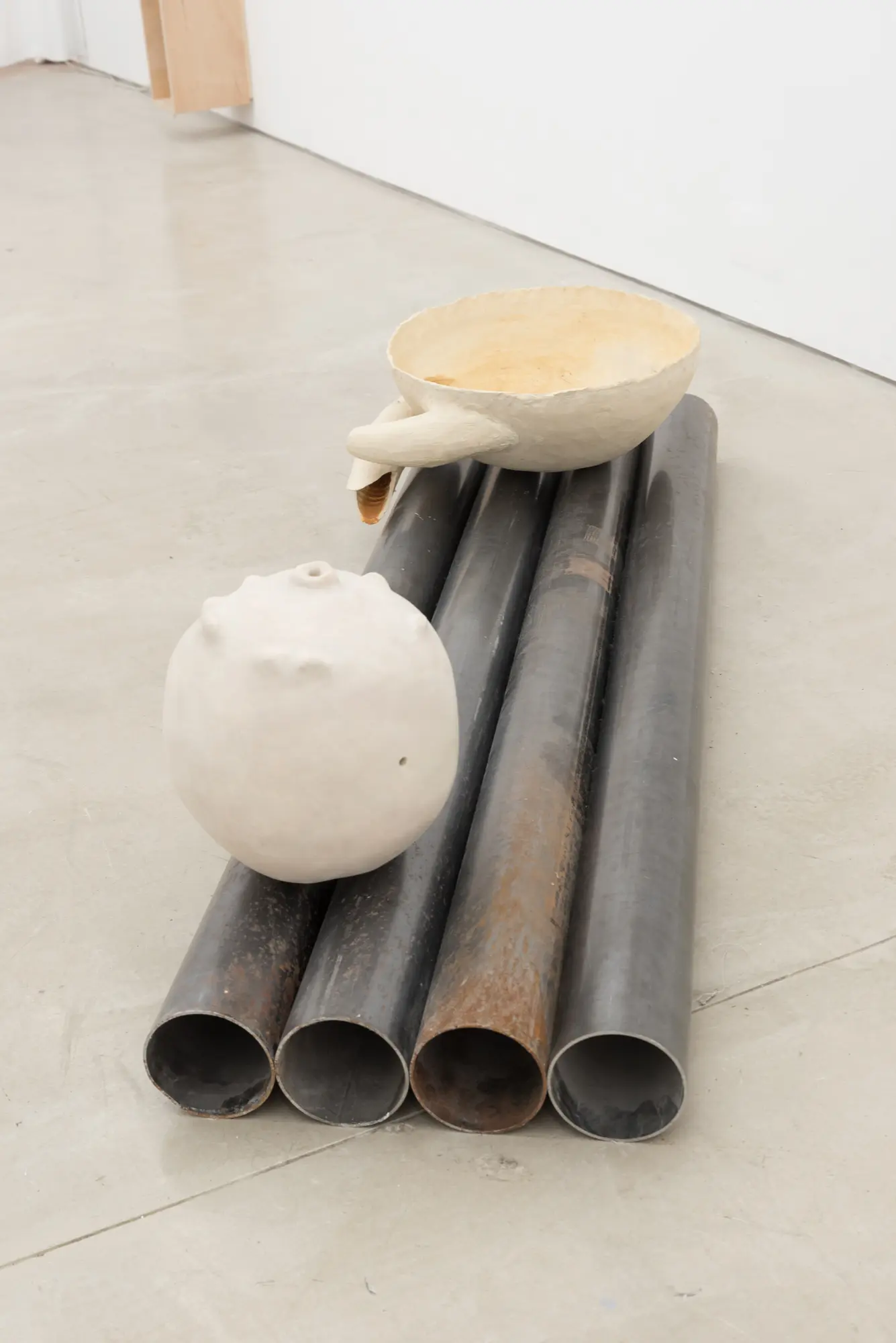
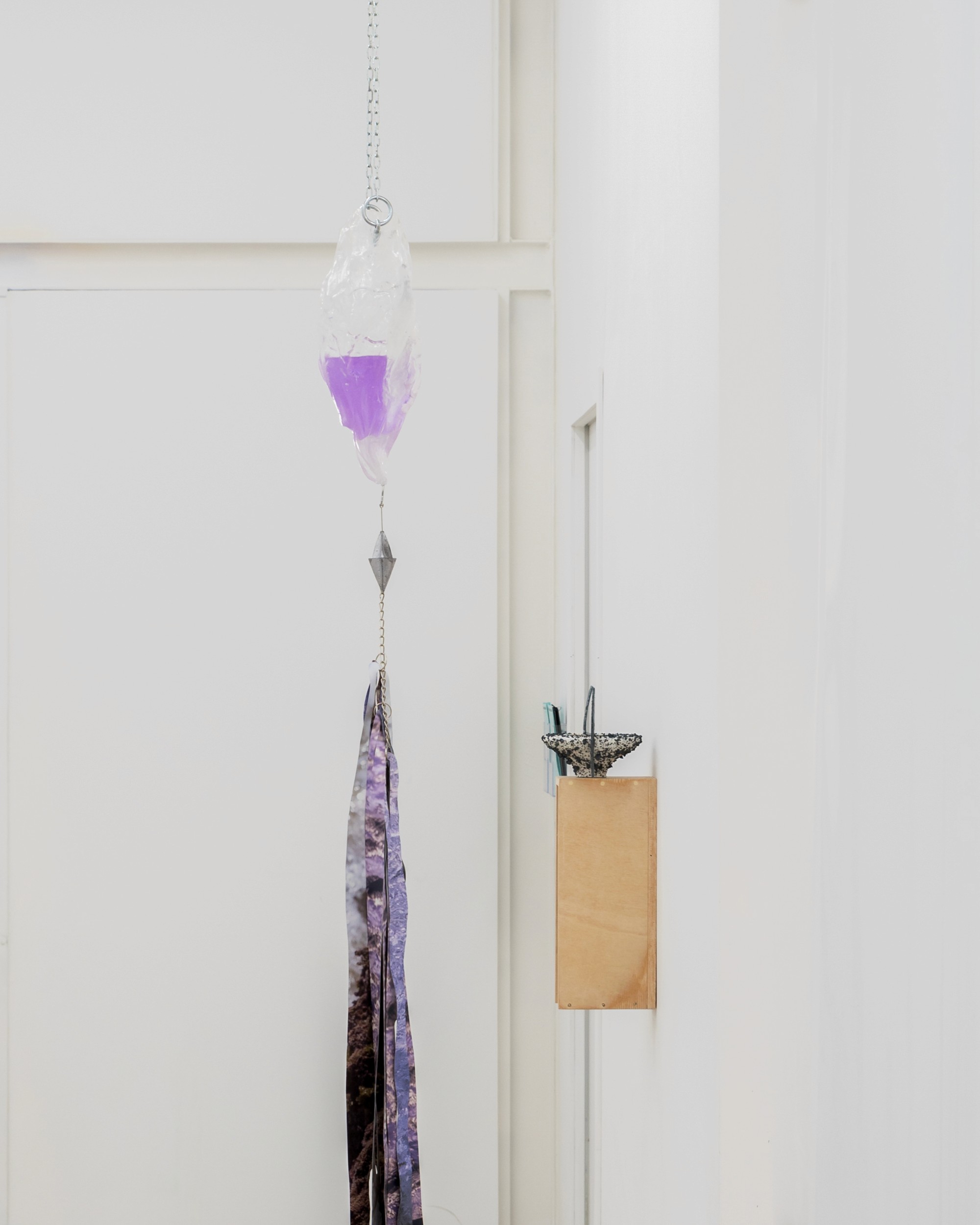
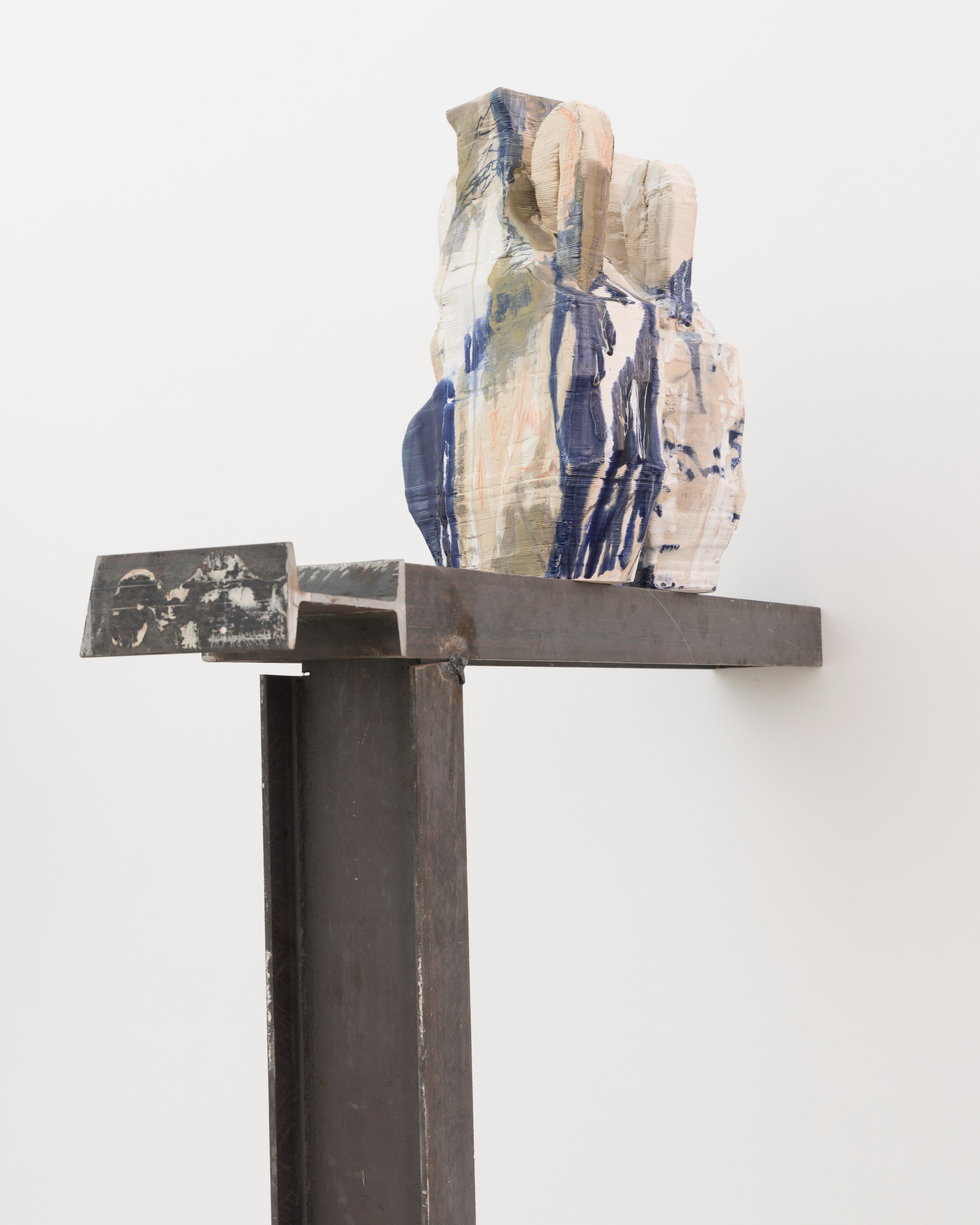
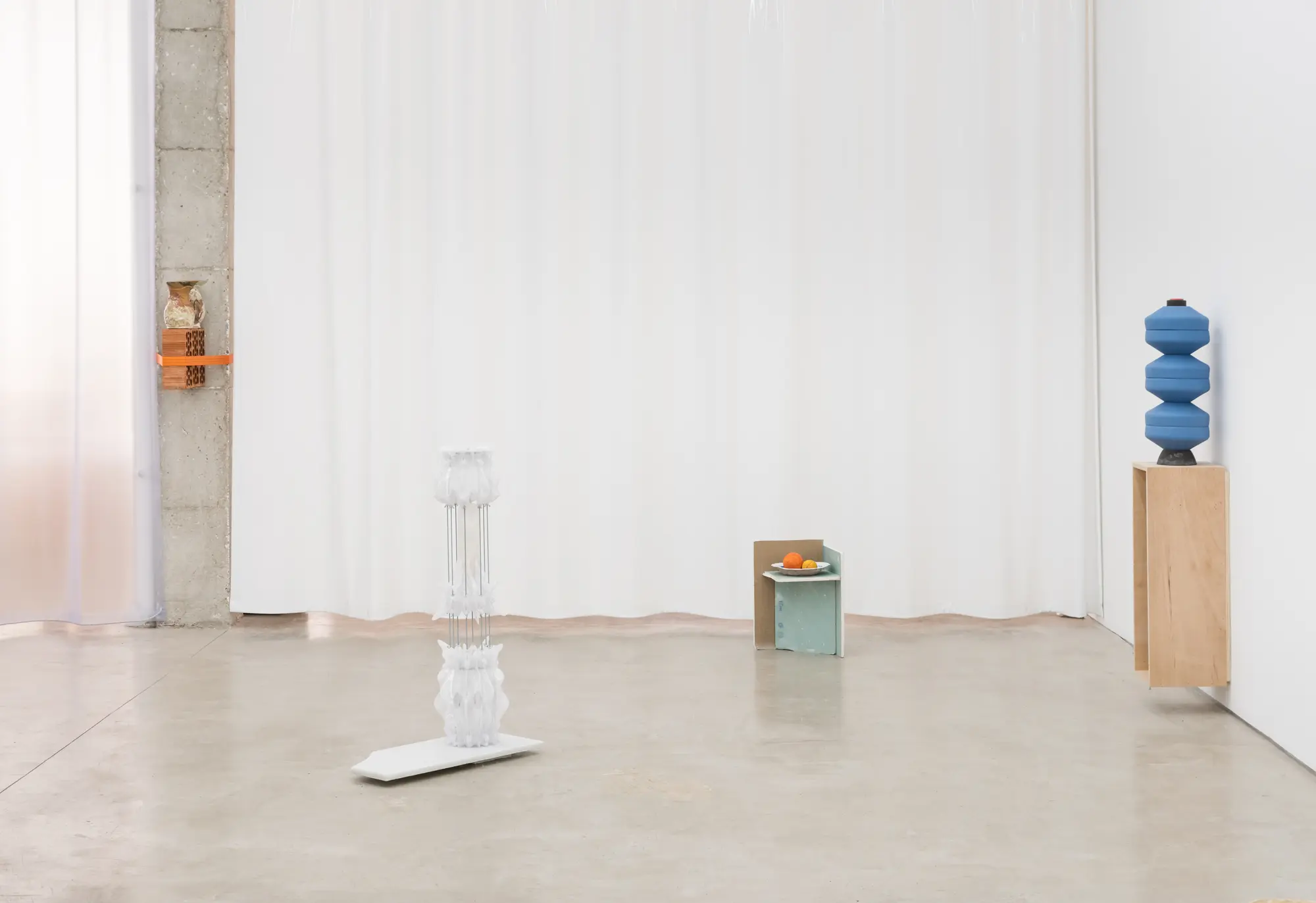
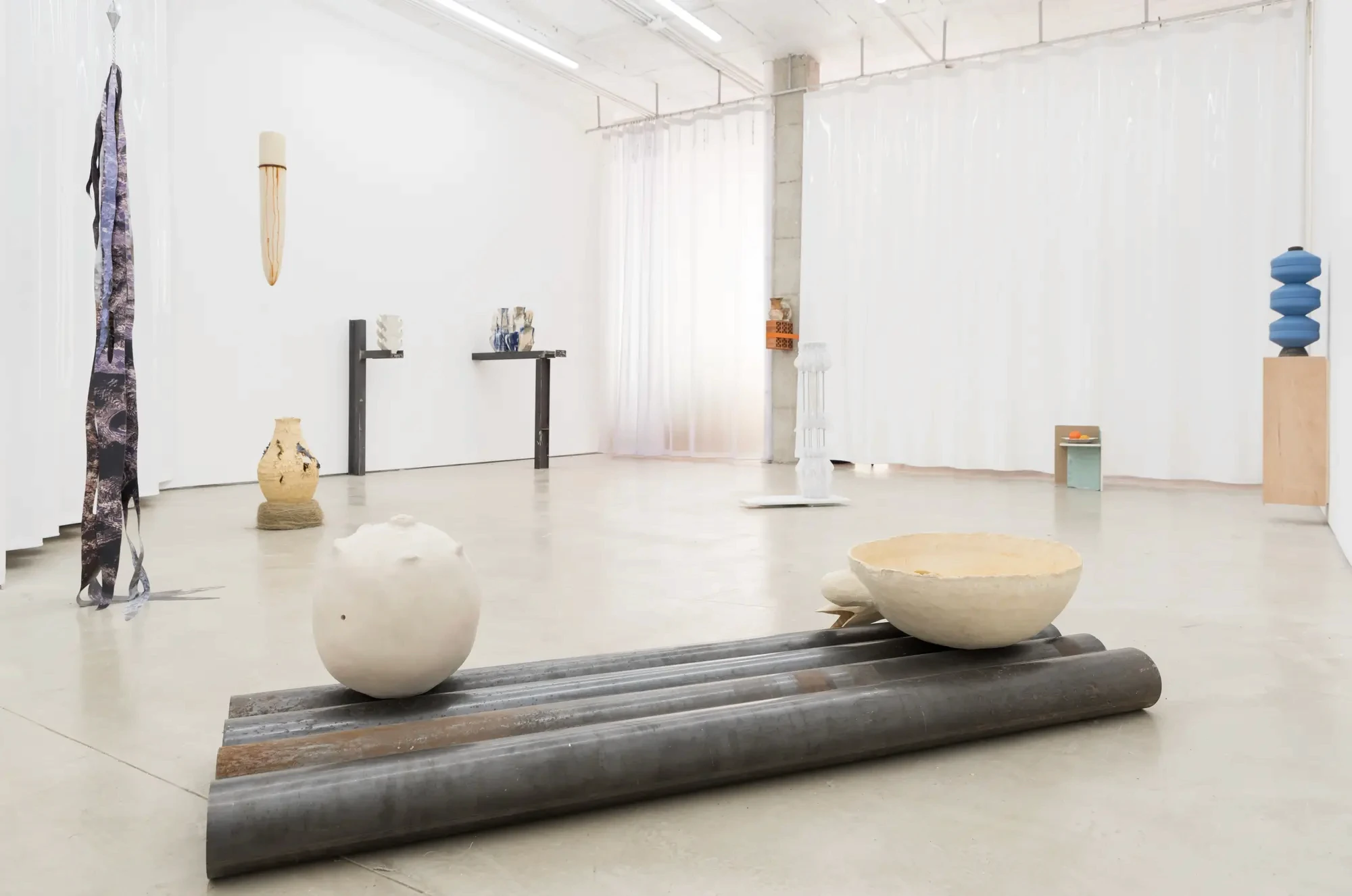
COSAS QUE CARGAN COSAS reimagines these material forms from a contemporary perspective. In this gathering of “things”, the plinth or support also appears, presented as a third element that configures and weaves together the project’s central idea. These supports, which elevate, hold and sustain the works, are a gesture derived from preservation and take on the function of that which has already lost its original purpose. These “plinths” appear destabilized in their identity, seeking to highlight and accompany the presence of the artwork, becoming an extension of the piece rather than a neutral, clinical, reusable and interchangeable device.
The first ambitions are born from matter and drift toward a form that transmutes into the unclassifiable. The works of Cristina Mejías, Sandra Mar and Rosa Aguilar could be presented as the results of a primary memory, an original, organic and human recollection. The material is evident and conceived almost bare, with the visual strength of things that weigh and exist. Like a chronological intersection, traversed by the modern and post-industrial spirit, the pieces by Sandra Val, Javier Carro Temboury, Roberto Rivadeneira and Gamze Yalçin, Brenda Ranieri and Nikolas Iturralde individualize themselves, repeatable and unique at the same time, stirring between the recognizable and the suggestive, taking advantage of the apparent ornamental kindness of a presumably harmless narrative. The processes of alteration are present here as a signature, as a trace that brings us closer to the present. Finally, Pablo del Pozo, María Rojas, Eloy Arribas and Abie Franklin transcend the material, deforming and translating experience. The indefinition and mutation derived from art is perceptible, the artist emancipates and escapes from reference. Avoiding full immersion in the artisan tradition, the hand appears —digital or physical— in the reconstruction and revision of that thing of historical origin.
Unafraid of accumulation and of lowering the line of sight, breaking it or blurring it, the arrangement is creation itself. It is important to understand that this exhibition is a pulse and does not necessarily respond to a unified discourse. The curatorial manipulation aims to be benevolent with the artistic product, weaving a map of the presences that inhabit the space. Accompanying the stories that are presented, the artifacts end up being almost structural, as if they had always been conceived this way.