Ruido Sordo
DOBLE ERRE
Oct 1, 2026
Sofia Alazraki

Ruido sordo is what's left afterward, the evidence of an already deserted speed. Sofía Alazraki’s assembled objects, whether in photography or installation, cater to the need of representation as a method for disordered experience. Hedonism and discipline: we regulate ourselves because we can no longer make sense of the world we have manufactured. Red light at 3 am to fall asleep after leaving drugs untouched, a self-help book when the feather pillow on the office chair doesn’t grant neither the rest nor the spiritual restoration that it’s needed. There is a certain tenderness in the tireless attempts at well-being, a touching pathetic quality… insatiable desire. An underlying laughter leaks in: as if a dildo could really console.
But that suspended instant following a head-on crash confesses the impossibility of maintaining a rhythm -what was is now interrupted and what's to come doesn't yet exist. It brings with it the excitement of the uncertain. These scenes, that come through after the artist’s therapy sessions, are the silence of contradiction, that soft space where there’s no affirming nor negating. As the classical analysis of commodity and dreams show, the secret of these scenes lies not in their content but in their form: the product they offer us is the opposite of what is easy to want, which is what can be identified. Because Alazraki sublimates drives by bringing them into representation through a formal displacement: she subverts the aesthetic language of commercial photography, which by manufacturing desire turns subjects into consumers, in order to offer us what the promise of commodified wellness pretends to remedy: a state of abandonment. Hers is an unsubmissive commodity. Making use of the right lighting and precise composition, she exploits the efficiency of a technique. In Ruido sordo the object, the disappearance of the reason for which it is there and the drive that leads to another object all converge.
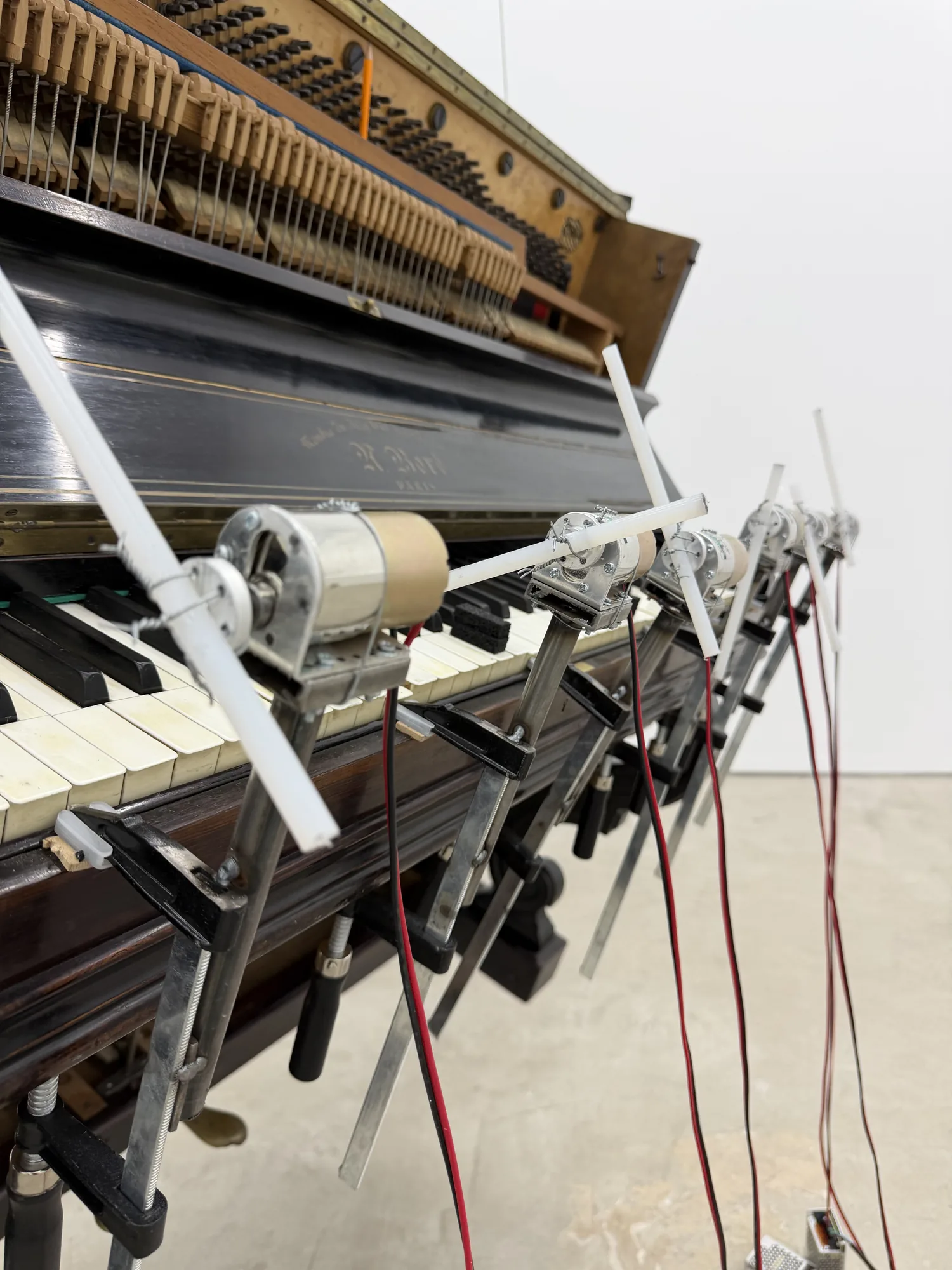
These works are constitutively disturbed by desire. But it is not only this desire that takes shape in representation but of objects themselves. To say Alazraki treats objects as living matter with agency is not enough just as, conversely, neither is to say that she works by turning the object into a subject. This is a more-than-human world, in which the products of our instrumental reason cease to be our tools and become actors such as ourselves. In the unstable result of the traffic of influences between the virtual and the real where consciousness and body are already completely split, under the eroticizing effects of the reigning ideology, a “profit for profit’s sake”, commodity is turned on and this turn-on is the engine of history, whose end will be uncompromising as an orgasm. What’s left after bad sex: the petite mort of consumer society.
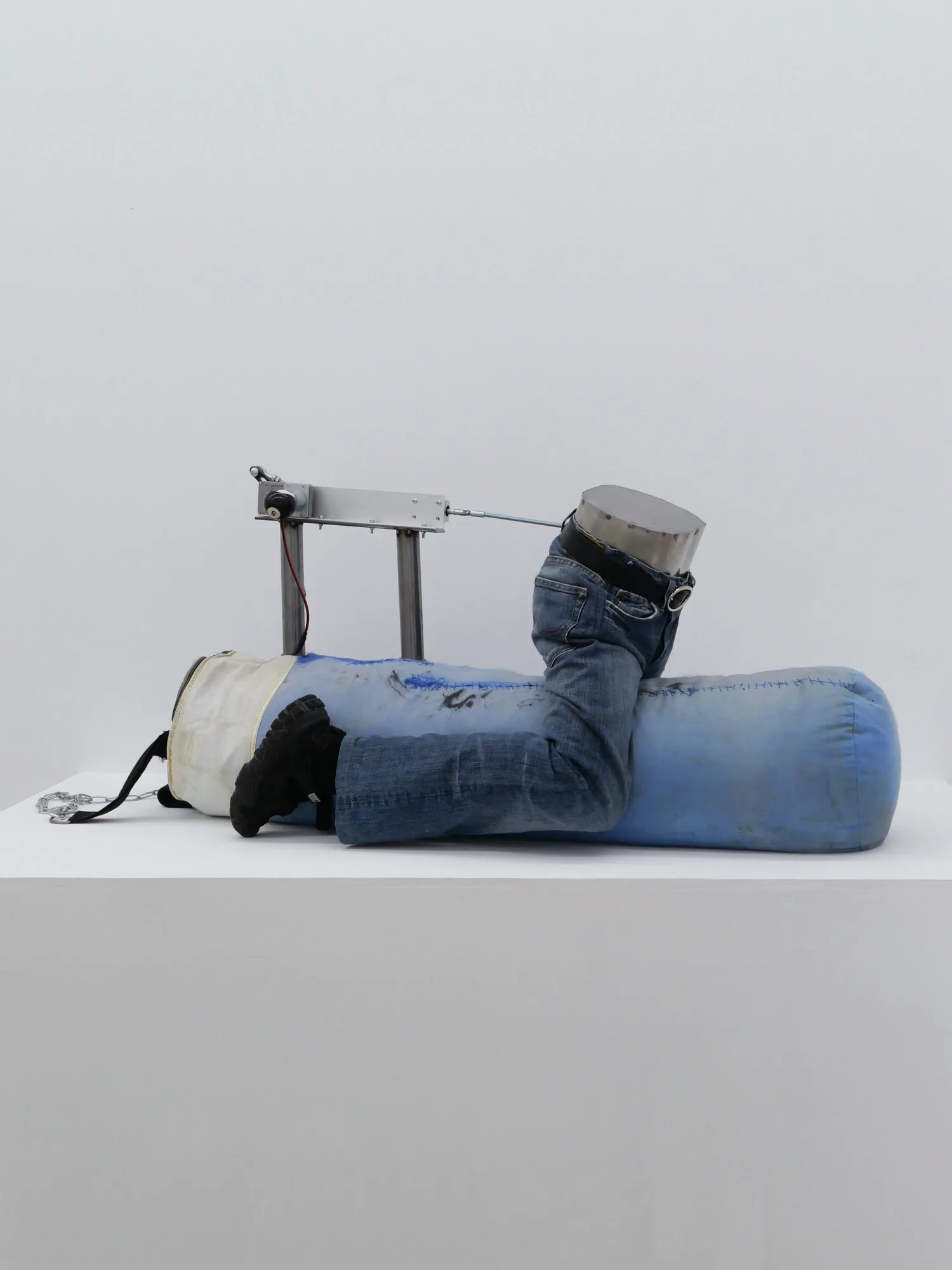
Or even better, the end never arrives. All that’s left is a girl without a torso riding until infinity, as if with the power of her mechanically animated synthetic thighs she could overcome desolation. Because desire, always dislocated, invests unconditionally.
Text by Ana Guebel